 By Rabiya Maqbool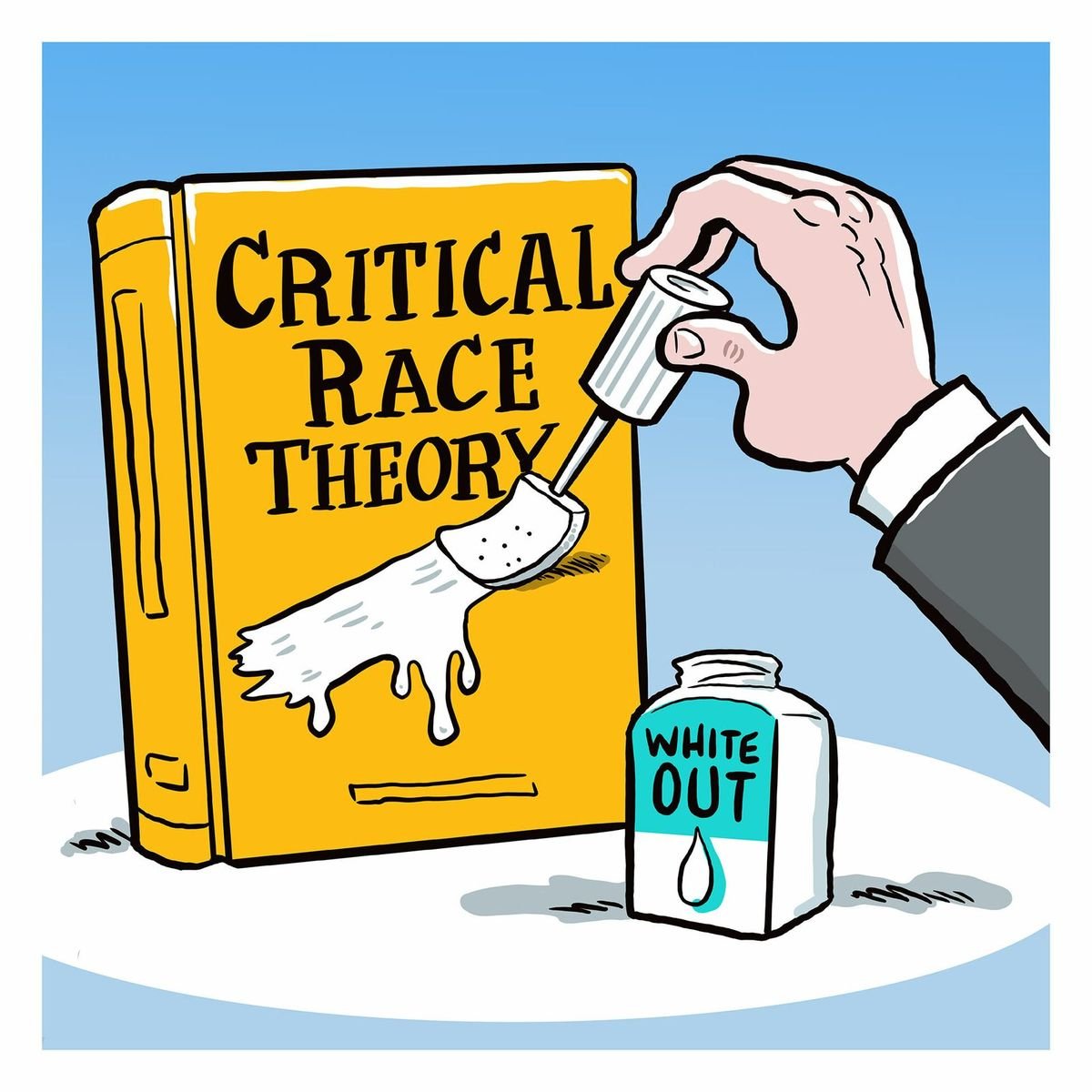
Over 33,000 people search “what is critical race theory” every month, yet most encounter only political soundbites rather than factual explanations. This guide cuts through the rhetoric to explain what CRT actually is, where it’s taught, and why it’s become so controversial in American education and politics.
Understanding Critical Race Theory in Simple Terms
Critical race theory (CRT) is an academic framework that examines how racism operates within American legal systems and institutions. Legal scholars, including Derrick Bell, Kimberlé Crenshaw, and Richard Delgado, developed CRT in the 1970s to understand why civil rights legislation failed to eliminate racial inequality.
At its core, CRT argues that racism isn’t just individual prejudice. It’s embedded within laws, policies, and institutional practices that create racial disparities, even when those systems appear neutral on the surface.
Think of it this way: if a city builds a highway through a historically Black neighborhood, destroying homes and businesses, that’s not individual racism. It’s a policy decision with racist outcomes. CRT provides tools to analyze how such decisions happen and persist.
The framework rests on five key ideas:
- Race is a social construction, not a biological fact
- Racism is woven into everyday American life, not just isolated incidents
- Personal stories from marginalized communities reveal truths that data alone misses
- Racial progress typically happens when it benefits white interests too (called “interest convergence”)
- Colorblind approaches often maintain rather than challenge inequality
Critical Race Theory in Education: Separating Fact from Fiction
The biggest confusion around CRT involves education. Here’s what you need to know:
Graduate-Level Academic Study
In law schools and graduate programs, students study critical race theory as an analytical framework. They read scholarly works, debate their premises, and apply CRT lenses to legal cases and policy analysis. This is genuine CRT education.
K-12 Classroom Reality
Elementary and secondary schools do not teach critical race theory as an academic subject. The framework is too complex and specialized for K-12 students.
What some schools do include:
- Teaching accurate history, including slavery, Jim Crow, and the civil rights movements
- Reading diverse literature representing multiple cultural perspectives
- Discussing current events involving racial justice
- Examining how historical policies like redlining affect communities today
- Creating inclusive classroom environments
These practices reflect good teaching and historical accuracy, not CRT instruction. Critics often label any discussion of racism or diversity as “CRT,” but this conflates different concepts.
The genuine debate should focus on how we teach about race and history, not whether schools are secretly teaching graduate-level legal theory to third graders.
Core Concepts That Shape CRT Analysis
Systemic Racism
CRT scholars focus on how institutions and systems produce racial inequality, regardless of individual intentions.
Real-world examples include:
- School funding is tied to property taxes, creating resource gaps between wealthy and poor districts
- Criminal sentencing guidelines that disproportionately impact Black defendants
- Mortgage lending algorithms that deny loans to qualified Black applicants at higher rates
- Healthcare systems where Black patients receive less pain management than white patients
These patterns persist even when individual teachers, judges, loan officers, and doctors don’t hold racist beliefs.
Interest Convergence
Derrick Bell proposed that racial progress in America happens primarily when it serves white interests. His example: Brown v. Board of Education succeeded partly because school segregation embarrassed America during the Cold War competition with the Soviet Union.
This doesn’t mean all racial progress is illegitimate. It suggests that understanding power dynamics helps explain when and why change occurs.
Intersectionality
Kimberlé Crenshaw coined this term to describe how race intersects with gender, class, sexuality, and other identities. A Black woman faces discrimination that differs from what a Black man or a white woman experiences. Understanding these overlapping identities reveals a more complete picture of inequality.
Counter-Storytelling
CRT values personal narratives from people of color as legitimate knowledge, not just emotional anecdotes. These stories challenge dominant narratives about meritocracy and equal opportunity by revealing lived experiences that statistics alone can’t capture.
Critique of Colorblindness
CRT scholars argue that “not seeing race” actually prevents addressing racial inequality. If we pretend race doesn’t matter, we can’t examine how race-neutral policies produce racially unequal outcomes.
Study Resources and Academic Terms
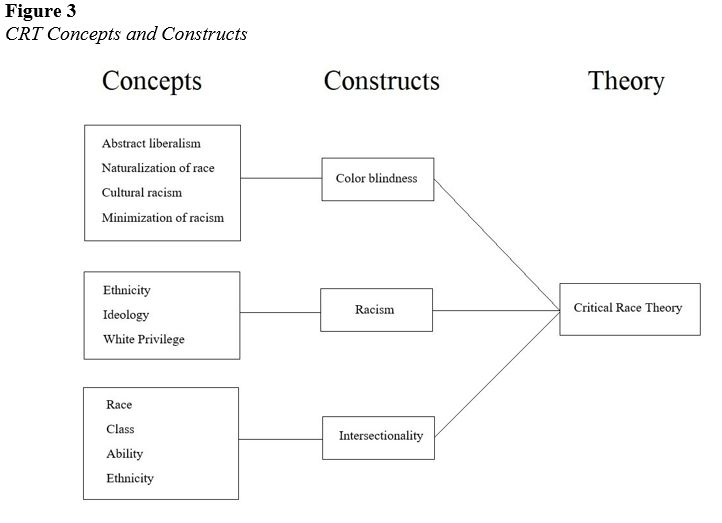
Students studying CRT in college courses encounter specific terminology:
Essential concepts include:
- Racial realism: The belief that racism is a permanent feature of American society
- Microaggressions: Subtle, often unintentional discriminatory comments or actions
- White privilege: Unearned advantages that come with being perceived as white
- Institutional racism: Discriminatory policies embedded in organizational structures
- Racial equity: Fair distribution of resources and opportunities across racial groups
Understanding these terms requires more than flashcard memorization. Students benefit from reading foundational texts like Bell’s “Race, Racism and American Law” and Delgado’s “Critical Race Theory: An Introduction.”
Why CRT Became Controversial
The current debate around CRT often confuses several distinct things:
What critics oppose:
- Teaching that America is fundamentally and irredeemably racist
- Making students feel guilty about their racial identity
- Dividing people by emphasizing racial differences
- Replacing merit-based systems with racial preferences
- Indoctrinating children with political ideology
What supporters defend:
- Teaching accurate American history, including racial oppression
- Examining how institutions can produce unequal outcomes
- Centering diverse voices and perspectives
- Creating inclusive educational environments
- Academic freedom to study racism’s role in law and society
Many people on both sides would agree with elements from both lists. The problem is that “CRT” has become a catch-all term for any discussion of race, making productive dialogue nearly impossible.
State Legislation and School Policies
Multiple states have passed laws restricting how teachers discuss race and racism. Proponents say these laws prevent divisive concepts and protect students. Opponents argue they censor honest historical teaching and create confusion about what educators can say.
The legislation rarely mentions CRT specifically but restricts teaching that America is inherently racist or that individuals are inherently oppressive based on race—concepts that aren’t actually part of teaching accurate history.
Real-World Applications Beyond Academia
CRT-informed analysis influences work in multiple fields:
Legal practice: Attorneys examine how sentencing guidelines, jury selection, and plea bargaining produce racial disparities, even when individual actors don’t express racist views.
Urban planning: City planners investigate how zoning laws, highway construction, and public transportation decisions have segregated cities and concentrated poverty in communities of color.
Healthcare: Medical researchers explore how systemic factors (not just individual bias) contribute to Black maternal mortality rates being three times higher than white rates.
Business: Companies analyze how hiring practices, promotion criteria, and workplace culture may disadvantage qualified candidates and employees from underrepresented groups.
These applications don’t require accepting every CRT premise. They use CRT’s focus on systems and structures to identify problems that individual-level interventions miss.
Moving Forward: Finding Common Ground

Most Americans share basic values around this issue, even when they disagree about CRT:
Shared ground includes:
- Students deserve accurate, age-appropriate education about American history
- No child should be made to feel inferior because of their race
- Understanding our past, including its darkest chapters, helps build a better future
- Merit and hard work should be recognized and rewarded
- Persistent racial inequalities deserve serious examination and solutions
The path forward requires distinguishing between legitimate debates and manufactured controversies. We can disagree about teaching methods, curriculum choices, and how to address inequality without falsely claiming that schools are teaching complex legal theory to elementary students.
FAQs
1. Is critical race theory taught in K-12 schools?
No. CRT is a graduate-level legal framework taught in law schools, not elementary or high schools. K-12 schools may discuss racism and history, but that’s not the same as teaching CRT theory.
2. Does critical race theory say all white people are racist?
No. CRT analyzes racist systems and institutions, not individual people. It examines how policies create racial disparities regardless of personal beliefs.
3. What’s the difference between CRT and teaching history about racism?
Teaching history covers facts about slavery, segregation, and civil rights. CRT is a specific legal analysis framework used primarily in graduate studies to examine institutional racism.
4. Who created critical race theory and why?
Legal scholars Derrick Bell, Kimberlé Crenshaw, and Richard Delgado developed CRT in the 1970s to understand why civil rights laws didn’t eliminate racial inequality.
5. Why is critical race theory so controversial right now?
“CRT” became a political term for any teaching about race that some oppose. Critics say it’s divisive; supporters say they’re teaching accurate history. Most debate involves conflating CRT with general diversity education.
Conclusion:
Critical race theory is an academic framework developed by legal scholars to analyze how racism operates through institutions and systems. It originated in law schools and remains primarily a graduate-level analytical tool.
The current political controversy conflates CRT with diversity initiatives, antiracist education, and any teaching about racism’s role in American history. This conflation prevents honest discussion about what students should learn and how teachers should approach difficult historical topics.
Whether you find CRT’s arguments compelling or flawed, informed engagement requires understanding what scholars actually propose rather than relying on politicized caricatures. The framework asks important questions about why racial inequalities persist despite legal equality. You can disagree with CRT’s answers while still taking those questions seriously.
Education policy deserves thoughtful debate based on facts, not fear. Students benefit when we focus on teaching quality, historical accuracy, and inclusive environments rather than fighting culture wars over academic theories most people haven’t actually studied.