 By Rabiya Maqbool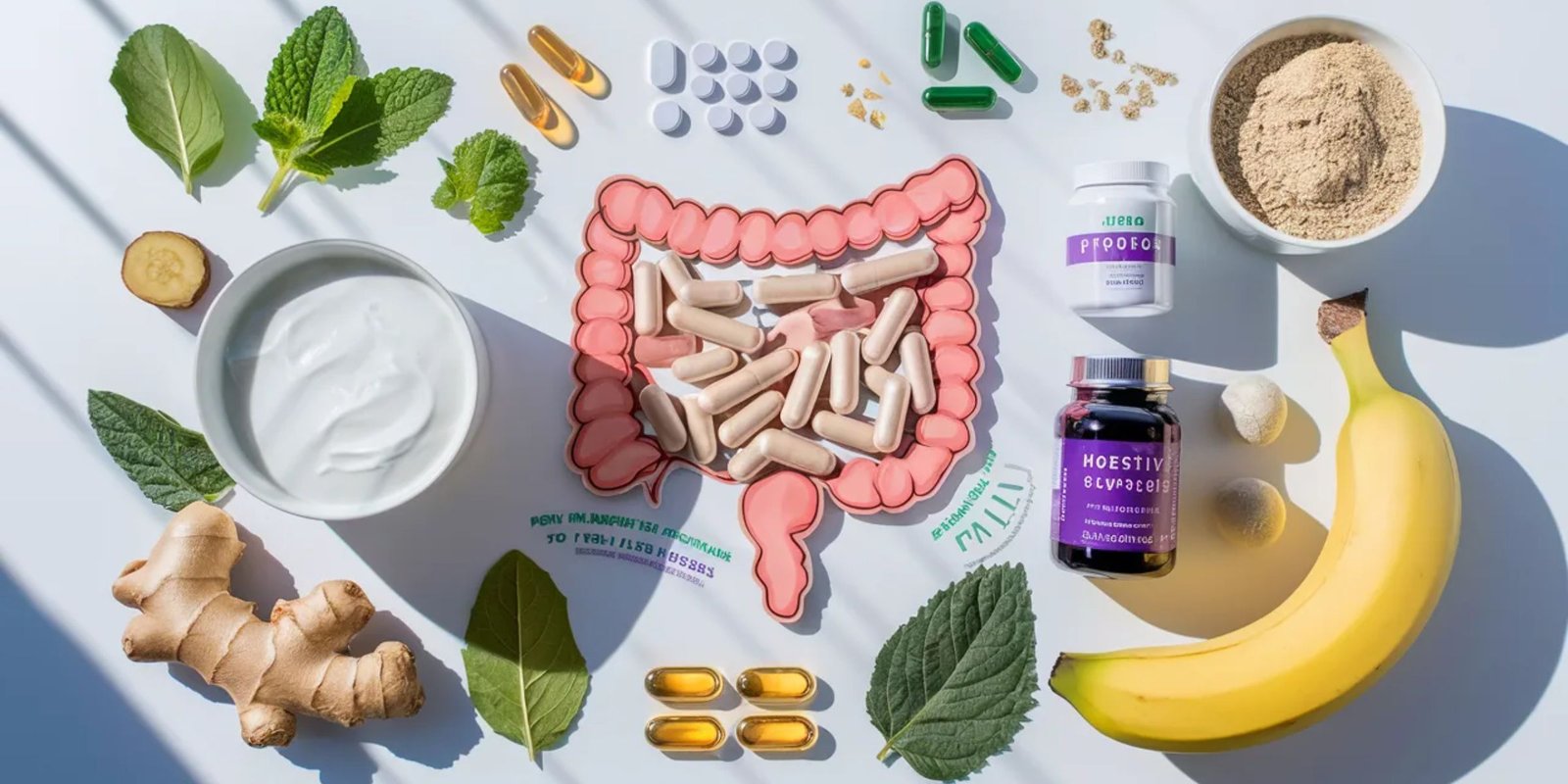
Your digestive system contains over 100 trillion microorganisms that control everything from nutrient absorption to mental health. Research shows that gut health supplements, including probiotics, digestive enzymes, and anti-inflammatory compounds like turmeric curcumin, can transform your microbiome and overall wellness within weeks.
The best supplements for gut health target specific issues: probiotics restore bacterial balance, digestive enzymes improve nutrient breakdown, and compounds like magnesium glycinate support smooth muscle function. Whether you’re experiencing symptoms of an unhealthy gut or optimizing digestive performance, understanding which Nutrifactor and other formulations work best helps you achieve faster results.
This guide reveals science-backed probiotic supplements for gut health, compares powder supplements to capsules for gut health, clarifies the differences between prebiotics and probiotics, and answers critical questions like “do probiotics make you poop” and “how long to heal leaky gut.” You’ll learn which products deliver measurable improvements for your specific digestive concerns.
Understanding Gut Health Fundamentals
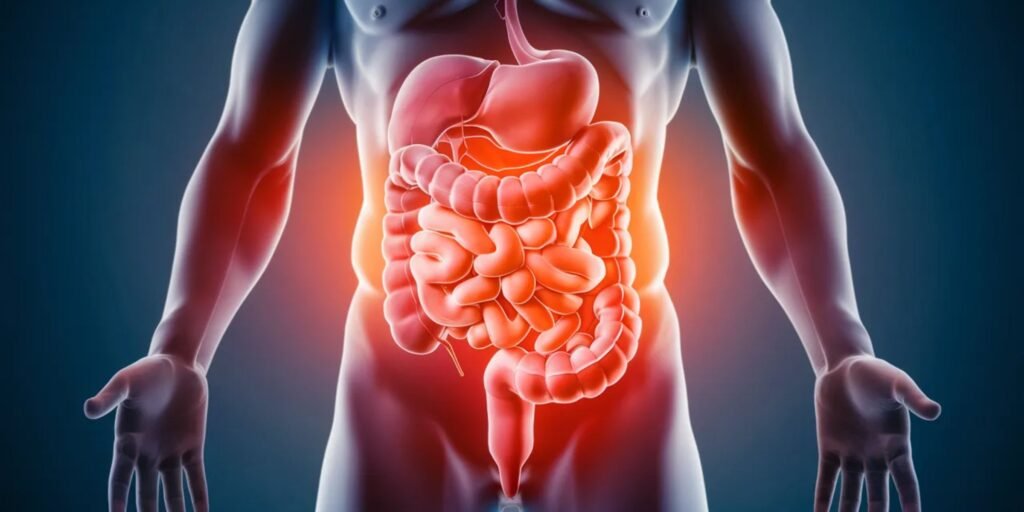
Your gut microbiome influences digestion, immune function, mood regulation, and disease prevention. When beneficial bacteria decline and pathogenic species increase (dysbiosis), you experience digestive distress, inflammation, and systemic health issues that require targeted supplementation.
Key Symptoms of an Unhealthy Gut:
- Chronic bloating and gas after meals
- Irregular bowel movements (constipation or diarrhea)
- Unexplained fatigue and brain fog
- Skin problems like acne or eczema
- Food sensitivities and frequent infections
The Gut-Brain Connection: Approximately 90% of serotonin is produced in your gut, explaining why healthy gut and mental health are inseparable. Probiotic supplements for gut health containing Lactobacillus helveticus and Bifidobacterium longum demonstrate measurable anxiety and depression reduction in clinical trials.
Types of Gut Health Supplements Explained
Probiotic Supplements: Strains That Matter
Best probiotic strains for specific conditions:
- Bifidobacterium lactis – Constipation relief (answers “do probiotics make you poop”)
- Lactobacillus rhamnosus GG – Antibiotic recovery
- Saccharomyces boulardii – Diarrhea prevention
- Lactobacillus plantarum – Anti-inflammatory support
Quality gut health supplements contain 10-50 billion CFUs with multiple complementary strains. Nutrifactor and similar brands should provide genus, species, and strain identification, not vague “proprietary blends.”
Digestive Enzymes for Better Absorption
The best digestive enzymes for constipation include:
- Protease – Breaks down proteins
- Lipase – Digests fats
- Amylase – Processes carbohydrates
- Cellulase – Handles fiber
Take enzymes 15-20 minutes before meals for peak effectiveness during digestion.
Prebiotic vs Probiotic: The Critical Difference
Probiotics = Live beneficial bacteria. Prebiotics = Fiber that feeds good bacteria
Top prebiotic sources:
- Inulin (chicory root, Jerusalem artichoke)
- FOS (onions, garlic, asparagus)
- Resistant starch (cooked and cooled potatoes)
The best supplements for gut health combine both in synbiotic formulations for maximum colonization.
Powder Supplements for Gut Health vs Capsules
Powder advantages:
- Customizable dosing
- Mix with food or smoothies
- Often include multiple ingredients (probiotics + prebiotics + L-glutamine)
Capsule advantages:
- Precise dosing and portability
- Better shelf stability
- Delayed-release protection
Nutrifactor products and competitors typically offer both formats; choose based on convenience versus customization needs.
Essential Gut-Supporting Nutrients
L-Glutamine for Leaky Gut Repair
L-glutamine is the primary fuel for intestinal cells. Supplementing 5-15 grams daily strengthens tight junctions and reduces inflammation.
How long to heal leaky gut?
- Mild cases: 4-8 weeks
- Moderate: 3-6 months
- Severe: 6-12 months with comprehensive protocol
Combine L-glutamine with zinc carnosine (75-150mg) and collagen peptides (10-20g) for optimal barrier restoration.
Turmeric Curcumin for Inflammation Control
Turmeric curcumin is a powerful anti-inflammatory compound that reduces gut inflammation and supports digestive comfort. Look for formulations with black pepper extract (piperine) to enhance absorption by 2000%.
Benefits for digestive health:
- Reduces intestinal inflammation
- Supports liver detoxification
- Improves bile production for fat digestion
- Protects against oxidative stress
Effective dosage: 500-1000mg curcumin daily with meals.
Magnesium Glycinate for Digestive Function
Magnesium glycinate supports smooth muscle contractions essential for healthy bowel movements. Unlike magnesium oxide, the glycinate form is gentle and highly absorbable.
Dosage for constipation relief: 200-400mg before bed draws water into the intestines, softening stool consistency naturally without harsh laxative effects.
Addressing Common Digestive Issues

Healing Leaky Gut: Complete Protocol
Essential supplements:
- L-glutamine (5-15g daily)
- Zinc carnosine (75-150mg twice daily)
- Multi-strain probiotics (20-50 billion CFUs)
- Omega-3 fish oil (2-3g EPA/DHA)
- Turmeric curcumin (500-1000mg)
Avoid the worst foods for gut health: artificial sweeteners, ultra-processed foods, excessive alcohol, and industrial seed oils.
Relieving Constipation Naturally
Multi-faceted approach:
- Bifidobacterium lactis probiotics (proven to increase bowel frequency)
- Magnesium glycinate 200-400mg at bedtime
- Best digestive enzymes for constipation with meals
- Prebiotic fiber increasing to 25-35g daily
- Minimum 64oz of water daily
Do probiotics make you poop? Yes, specific strains like B. lactis and L. rhamnosus increase stool frequency and improve consistency within 2-4 weeks.
Managing IBS with Targeted Probiotics
Strain-specific recommendations:
- IBS-D (diarrhea): Saccharomyces boulardii, Lactobacillus plantarum
- IBS-C (constipation): Bifidobacterium lactis, Lactobacillus rhamnosus
Combine with a low-FODMAP diet for 40-60% symptom reduction in 8-12 weeks.
Optimizing Supplement Selection
Choosing Quality Products
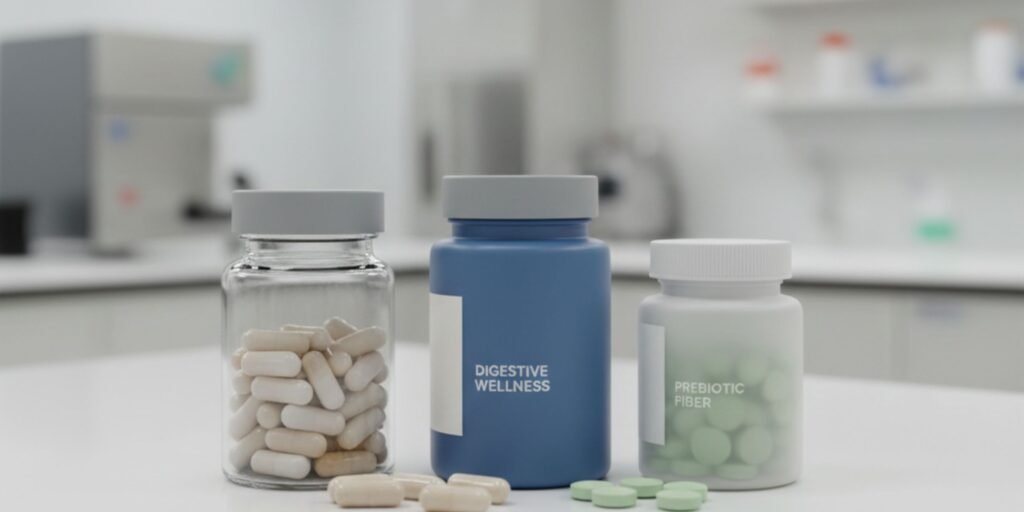
Look for these markers:
- GMP-certified manufacturing (ensures quality control)
- Third-party testing for purity and potency
- Strain identification (genus, species, strain)
- CFU guarantee at expiration, not manufacture
- Delayed-release technology for probiotic survival
Nutrifactor products should meet these standards. Verify before purchasing any dietary supplement for gut health.
Best Timing for Maximum Effectiveness
Optimal supplement schedule:
- Probiotics: 30 minutes before meals or at bedtime (low stomach acid)
- Digestive enzymes: 15-20 minutes before eating
- Prebiotic fiber: Evening meals for overnight fermentation
- L-glutamine: Empty stomach (morning and evening)
- Magnesium glycinate: Before bed for morning bowel movements
Start with a half-dose, gradually increasing over 7-10 days to minimize adjustment symptoms.
Combining Supplements Synergistically
Foundational gut health protocol:
- Multi-strain probiotic (10-50 billion CFUs)
- Prebiotic fiber powder (15-25g daily)
- L-glutamine (5-15g for barrier repair)
- Turmeric curcumin (500-1000mg anti-inflammatory)
- Magnesium glycinate (200-400mg for motility)
This comprehensive approach typically requires 3-6 months for significant microbiome restoration.
Dietary Strategies to Enhance Results
Worst Foods for Gut Health to Eliminate
Minimize these microbiome disruptors:
- Artificial sweeteners (aspartame, sucralose)
- Ultra-processed foods with emulsifiers
- Excessive refined sugar
- Inflammatory seed oils
- Glyphosate-contaminated grains
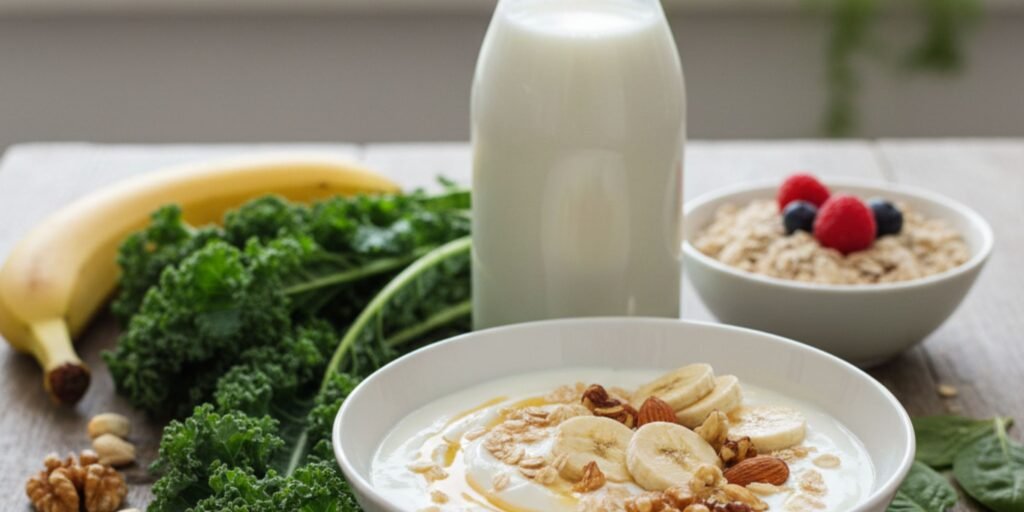
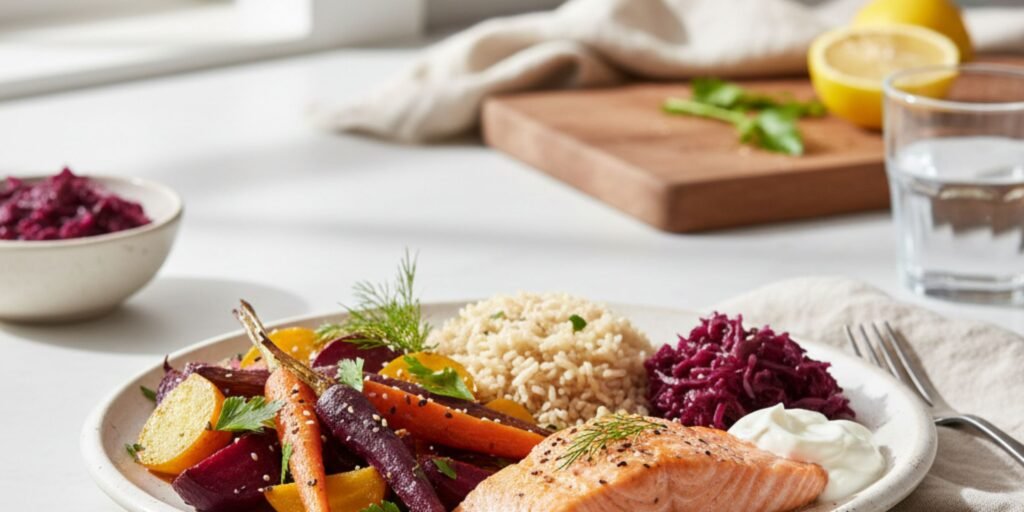
Best Foods for Gut Health
Probiotic-rich fermented foods:
- Yogurt with live cultures
- Kefir (30-50 bacterial strains)
- Sauerkraut and kimchi
- Miso and tempeh
Prebiotic fiber sources:
- Jerusalem artichokes, jicama, asparagus
- Onions, garlic, and leeks
- Green bananas (resistant starch)
- Cooked and cooled potatoes
Target 1-2 servings of fermented foods plus 15-25g of prebiotic fiber daily to enhance gut health supplement effectiveness.
Special Considerations

Supporting Mental Wellness
Psychobiotics (Lactobacillus helveticus + Bifidobacterium longum) reduce anxiety and depression while supporting healthy gut and mental health connections. Combine with omega-3s and vitamin D for comprehensive support.
Athletes and Exercise-Induced Issues
Intense training increases intestinal permeability in 30-50% of endurance athletes. L-glutamine (10-20g around training) addresses exercise-induced leaky gut while probiotics reduce infection rates and improve recovery.
Monitoring Your Progress
Track these objective markers:
- Bowel movement frequency and Bristol Stool Chart consistency
- Energy levels throughout the day
- Sleep quality improvements
- Skin condition changes
- Food tolerance expansion
If symptoms of an unhealthy gut persist after 6-8 weeks of quality probiotic supplements for gut health, consult a healthcare practitioner for comprehensive stool testing and additional evaluation.
FAQs
What is the best supplement for gut health?
The best supplement for gut health is a multi-strain probiotic (10-50 billion CFUs) combined with prebiotic fiber and L-glutamine for intestinal repair. Look for Nutrifactor or quality brands containing Bifidobacterium lactis and Lactobacillus rhamnosus with third-party testing.
What are the signs of an unhealthy gut?
Signs include chronic bloating, irregular bowel movements, fatigue, brain fog, skin issues, and food sensitivities. Anxiety and depression can also indicate gut problems due to the gut-brain connection.
What is the 7-day gut reset?
A 7-day gut reset eliminates sugar, processed foods, and alcohol while increasing fiber to 25-35g daily and adding fermented foods plus probiotics. This reduces bloating quickly, though complete healing requires 3-6 months.
How do I fix poor gut health?
Combine gut health supplements (probiotics, digestive enzymes, L-glutamine, turmeric curcumin, magnesium glycinate) with eliminating inflammatory foods and increasing prebiotic fiber. Consistent supplementation for 3-6 months with proper hydration restores gut balance.
Conclusion
The best supplements for gut health combine evidence-based probiotic strains, supportive nutrients like turmeric curcumin and magnesium glycinate, and prebiotic fibers in protocols tailored to your specific digestive concerns. Whether comparing Nutrifactor products or other brands, prioritize quality markers, including third-party testing, strain identification, and proper CFU guarantees.
Comprehensive gut restoration requires patience, typically 3-6 months of consistent supplementation alongside dietary optimization. By understanding prebiotic vs probiotic synergy, timing supplementation strategically, eliminating the worst foods for gut health, and addressing underlying issues like leaky gut, you create optimal conditions for lasting digestive wellness and systemic health improvements.