 By Rabiya Maqbool
When comparing PWI vs HBCU, a PWI (Predominantly White Institution) is a college where white students make up 50%+ of enrollment, while an HBCU (Historically Black College or University) is an institution founded before 1964 with the principal mission of educating Black Americans.
The key difference lies not just in demographics but in historical origins, campus culture, institutional mission, and student experience.
With over 232,000 monthly searches comparing these two institution types, choosing between a PWI and an HBCU is one of the most important decisions a prospective college student can make. According to the National Center for Education Statistics (NCES), over 100 HBCUs operate across the United States today, while approximately 4,000 PWIs represent 95% of all American colleges. This guide breaks down every key difference so you can make the right choice for your education.
Key Takeaways
- PWI = any college with 50%+ white student enrollment, which represents 95% of U.S. colleges
- HBCU = institution founded before 1964 to educate Black Americans; 100+ still operating today
- HBCUs graduate nearly 20% of all Black bachelor’s degree holders despite enrolling only 10% of Black students
- Cost: HBCUs often have lower tuition, but PWIs typically offer larger financial aid packages
- Class sizes: HBCUs average a 13:1 student-to-faculty ratio vs larger PWI classrooms
- Neither is superior, the right choice depends on your personal goals, culture, and priorities
- Both types produce equally successful graduates when controlling for engagement and resources
PWI vs HBCU: Meaning: Defining the Institutions
PWI vs HBCU A PWI vs HBCU comparison comes down to mission and culture. PWIs are colleges with 50%+ white enrollment, representing 95% of U.S. institutions. HBCUs were founded before 1964 to educate Black Americans and number over 100 today. HBCUs offer culturally affirming environments with stronger Black graduation rates per capita, while PWIs offer broader programs and larger resources. Neither is superior, the right choice depends on your personal goals.
PWI vs HBCU: At a Glance
| Feature | PWI | HBCU |
|---|---|---|
| Definition | 50%+ white enrollment | Founded pre-1964 for Black students |
| Total in USA | ~4,000 institutions | 100+ institutions |
| Avg Class Size | Large (20-50+ students) | Small (13:1 ratio) |
| Tuition Cost | Higher on average | Lower on average |
| Financial Aid | Larger aid packages | Smaller aid packages |
| Campus Culture | Multicultural/diverse | Black culture centered |
| Faculty | Predominantly white | Higher Black representation |
| Alumni Network | Broad corporate networks | Strong Black professional networks |
| Black Grad Rate | Lower per capita | Higher per capita |
| Best Known | Harvard, Yale, MIT | Howard, Spelman, Morehouse |
Academic Quality and HBCU Education vs PWI Standards
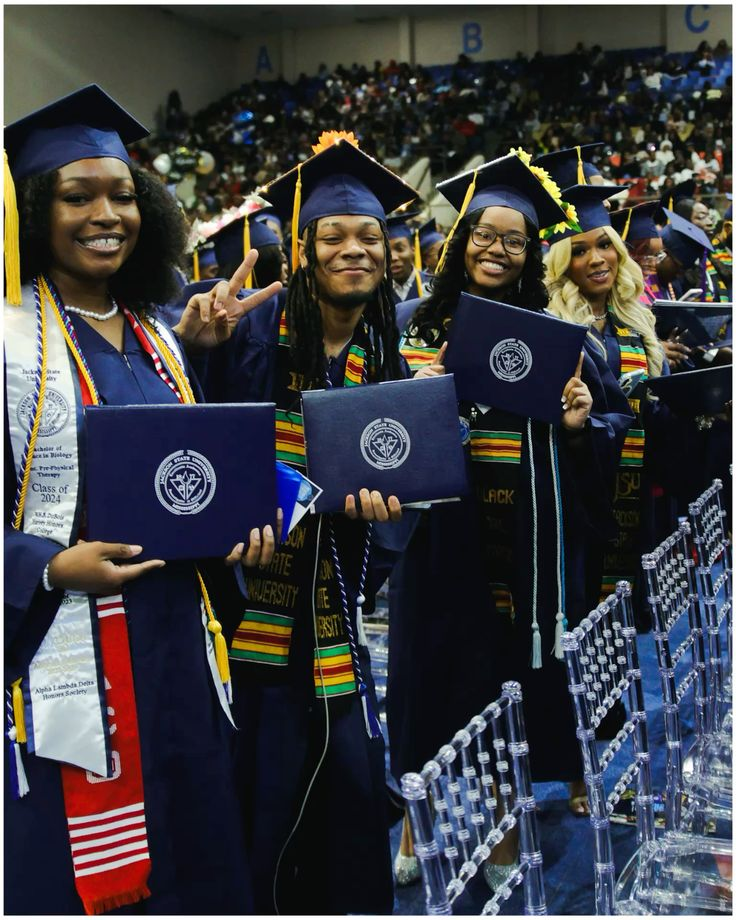
The HBCU vs PWI debate often centers on academic rigor and educational outcomes. Both institution types offer accredited degrees and quality education, though their approaches differ significantly.
HBCUs typically feature smaller class sizes, with student-to-faculty ratios averaging 13:1 compared to larger PWI classrooms. This intimate environment allows for personalized attention and mentorship opportunities that many students find invaluable. Faculty at HBCUs often demonstrate heightened cultural competency and understanding of Black student experiences.
Learn more about what Critical Race Theory means in education
PWIs generally offer broader program selections, more extensive research facilities, and larger endowments. These resources can translate into cutting-edge laboratories, diverse course catalogs, and expanded study abroad opportunities.
When examining HBCU vs PWI degree value, both credentials hold merit in the job market. However, HBCU graduates often report stronger alumni networks and cultural connections throughout their careers.
Graduation Rates: HBCU vs PWI: Analyzing Student Success
Graduation rate PWI vs HBCU comparisons reveal nuanced findings. National data shows PWIs generally report higher overall graduation rates, yet this statistic requires context.
Black student graduation rates HBCU vs PWI tells a different story. Research published in academic journals examining Black student success in PWI vs HBCU environments consistently shows that Black students at HBCUs graduate at rates comparable to or exceeding their peers at PWIs. More importantly, HBCUs graduate nearly 20% of all Black students who earn bachelor’s degrees despite enrolling only 10% of Black college students nationally.
Black students who attend HBCUs vs. PWIs report different experiences affecting persistence. HBCUs provide culturally affirming environments where students see themselves reflected in faculty, administration, and curriculum. This representation contributes to a stronger sense of belonging and academic confidence.
Black students at PWI vs HBCU settings face distinct challenges. At PWIs, Black students may experience isolation, microaggressions, and pressure to code-switch. These environmental stressors can impact academic performance and retention, though many students thrive despite these challenges.
Campus Culture and Student Experience

The HBCU vs PWI comparison and contrast extends beyond academics into daily campus life. HBCU campuses cultivate distinct cultural atmospheres celebrating Black excellence, history, and achievement. Homecoming celebrations, Greek life, and HBCU bands vs. PWI bands showcase vibrant traditions that distinguish these institutions.
PWIs offer diversity in different forms, exposing students to varied perspectives and backgrounds. This environment prepares students for multicultural workplaces, though it may require Black students to navigate predominantly white spaces throughout their college experience.
Social dynamics, including dating and relationship formation, differ between settings. The cultural affirmation at HBCUs creates comfortable environments for authentic self-expression and community building.
Financial Considerations in the HBCU vs PWI Decision
Cost structures vary significantly between institution types. Many HBCUs offer lower tuition than comparable PWIs, making higher education more accessible. However, PWIs typically provide larger financial aid packages and more scholarship opportunities due to substantial endowments.
Students should calculate the total cost of attendance, including hidden expenses, when evaluating options. Both HBCUs and PWIs offer federal financial aid, scholarships, and work-study programs.
Notable Alumni: PWI vs HBCU Success Stories
HBCU Notable Alumni:
- Kamala Harris, Howard University (Vice President of the United States)
- Martin Luther King Jr., Morehouse College (Civil Rights Leader)
- Oprah Winfrey, Tennessee State University (Media Mogul)
- Thurgood Marshall, Lincoln University (First Black Supreme Court Justice)
PWI Notable Alumni:
- Barack Obama, Columbia University & Harvard Law (44th U.S. President)
- Michelle Obama, Princeton University & Harvard Law (Former First Lady)
Both institution types have produced world-changing leaders, proving that success depends on the individual, not the institution type.
Top HBCUs vs Top PWIs: Side by Side
| Category | Top HBCU | Top PWI |
|---|---|---|
| Flagship | Howard University | Harvard University |
| STEM Focus | Spelman College | MIT |
| Business | Morehouse College | Wharton (UPenn) |
| Law | Howard University Law | Yale Law School |
| Medical | Meharry Medical College | Johns Hopkins |
| Endowment | Howard ($900M) | Harvard ($50B+) |
HBCU vs PWI: Career Outcomes & Salary Data
According to research from the United Negro College Fund (UNCF):
- HBCU graduates earn salaries comparable to PWI graduates in most fields
- HBCU alumni report stronger job satisfaction and a sense of purpose
- PWI graduates report broader corporate recruiting networks
- HBCU STEM graduates have higher graduate school acceptance rates per capita
- Both types produce graduates who succeed across all industries
PWI vs HBCU: Quick Decision Checklist
Choose an HBCU if you answer YES to these:
- Do you want a culturally affirming environment?
- Do you want smaller class sizes and personal mentorship?
- Do you want strong Black alumni networks?
- Is cost a primary concern?
- Do you want Black faculty and leadership representation?
Choose a PWI if you answer YES to these:
- Do you need a very specific or niche program?
- Do you prioritize large research facilities?
- Do you want exposure to diverse multicultural perspectives?
- Is geographic location a top priority?
- Do you want access to larger corporate recruiting pipelines?
Making Your Choice: Which Path Fits You?
The PWI vs HBCU decision ultimately depends on individual priorities, career goals, and personal values. Consider these factors:
Choose an HBCU if you prioritize cultural affirmation, intimate learning environments, strong mentorship from Black faculty, rich traditions celebrating Black culture, and tight-knit alumni networks.
Choose a PWI if you prioritize extensive program offerings, large research opportunities, diverse campus populations, specific specialized programs, or geographic location preferences.
Many successful professionals emerged from both paths. Your success depends less on institution type than on your engagement, determination, and utilization of available resources.
FAQs
Q: What is the main difference between a PWI and an HBCU?
A: The main difference is historical origin and mission. PWIs are colleges where white students make up 50%+ of enrollment and were not founded for specific racial groups. HBCUs were established before 1964 specifically to educate Black Americans when segregation prevented them from attending mainstream institutions.
Q: Are HBCUs only for Black students?
A: No. HBCUs welcome students of all races and ethnicities. While their mission centers on Black student success, anyone can apply and attend. Today, many HBCUs have increasingly diverse student populations.
Q: Do HBCU degrees have the same value as PWI degrees?
A: Yes. HBCU degrees are fully accredited and equally valued by employers. Research from the UNCF shows HBCU graduates earn salaries comparable to PWI graduates across most industries and fields.
Q: Are HBCUs cheaper than PWIs?
A: Generally, yes. Most HBCUs have lower tuition than comparable PWIs. However, PWIs typically offer larger financial aid packages, so the net cost after aid can be similar. Always compare the total cost of attendance after financial aid.
Conclusion
The HBCU vs. PWI comparison reveals two valid paths toward quality higher education. HBCUs offer culturally sustaining environments where Black students thrive academically and personally. PWIs provide vast resources and diversity exposure. Neither choice guarantees success or failure—both require student investment and commitment.
Research thoroughly, visit campuses when possible, and trust your instincts. Your ideal institution aligns with your academic goals, cultural needs, and personal growth aspirations. Whether you choose an HBCU or PWI, your education remains what you make of it.
Whether you choose an HBCU or PWI, understanding Predominantly White Institutions fully will help you decide